 |

 |
|
|
|
||
|
Rwanda - FAQTell me more about RwandaWhat is the climate like in Rwanda? What kind of volunteer work is available? Is there any time of the year when I can't volunteer? When will I know specific details on the placement? Where will I be located? Tell me more about flying into Rwanda? When do I need to arrive in Rwanda? How do I get to the project? Tell me more about the accommodation? Do you make provision for special diets? Are there holidays or festival I should be aware of when traveling? What age do you have to be to volunteer? What immunizations/vaccinations will I need? What is the criterion for volunteers to be accepted into the program? Do I need to speak English to volunteer? Can I bring my own family with me to the program? Are there more expenses once I arrive? How safe is it to volunteer in Rwanda? How many volunteers are there on site at the same time? What is the course content of the training? What hours am I expected to take part in the program? Are we able to do any sightseeing? What clothing is appropriate for the program? What resources will be available? Who organises my Visa for my volunteer placement? Do I need travel insurance? How do I pay my program fee? ------ Tell me more about Rwanda The first thing that comes to most people's minds when they think of Rwanda is genocide. After 12 years of mending, rebuilding, and finding new value in the traditions and natural beauty of the land, the Rwanda you see today is very different from what you heard about in the 90's. You will amazed by the impressive volcanoes, dense tropical forests, the largest number anywhere of endangered mountain gorillas, 670 species of bird and over 100 species of orchid, not to mention its rich cultural heritage dating back to the pygmoid hunter-gatherers living there over 2000 years ago. French, Kinyarwanda, and English are all official languages, but a greeting in Kinyarwanda will go down especially well. What is the climate like in Rwanda? Rwanda has a tropical climate influenced by altitude. Ruhengeri is at high altitude and is therefore a bit cooler than in the capital city, Kigali. At night Ruhengeri can get chilly so volunteers should be prepared with a sweater or light jacket. The good news is that this also means there are not as many mosquitos! Rwanda has two rainy seasons (April to June and October to December). Rainfall is heaviest in the west and decreases in the central uplands and to the north and east. Average annual precipitation in Kigali is 1,000 mm and average temperature is around 20 degrees Celsius (70 degrees Fahrenheit). What kind of volunteer work is available? The volunteer opportunities are in the areas of teaching, orphanage work, micro-business development and construction. Where ever possible volunteer placements will be tailored to the needs of the volunteer. Is there any time of the year when I can't volunteer? Volunteers are able to participate in the Rwanda program all year round. Teaching placements are only offered during the school terms which vary from year to year but are approximately as follows: Jan 1 to March 31st May 1 to July 31st Sept 1 to November 30 When will I know specific details on the placement? The specific details of your placement are determined once you secure your place in the program by paying the application fee. At that point, you will be contacted by our partner in Rwanda with more details. Your preference of project will be taken into account and granted wherever possible and appropriate. Where will I be located? Volunteers will live and work in the North Province, in the surrounding area of Ruhengeri which is a 2 hour drive northwest of Rwanda's capital city, Kigali. Tell me more about flying into Rwanda? All international flights must come through Kanombe Airport, 10km away from central Kigali. Volunteers will be asked to submit arrival details in advance so that airport pickup arrangements can be made. When do I need to arrive in Rwanda? The Rwanda program has two volunteer intakes per month, on the 1st and 15th. Volunteers are asked to arrive in Kigali one day prior (the 14th or last day of the month) so that airport pickups and a joint orientation can be arranged for the next morning. How do I get to the project? The first stage of training and orientation will be held in Ruhengeri Town. Volunteers will then be transferred to the program areas at the conclusion of training - this cost is included in the Program Fee. Tell me more about the accommodation? While volunteering, volunteers will be accommodated differently depending on which project they work on. Orphanage volunteers live in a volunteer house and are taken to the orphanage daily. All other volunteers are typically accommodated in a modest hotel environment 2 km from Ruhengeri Town. It is safe and clean with electricity and running water. Do you make provision for special diets? Volunteer meals will be prepared by a local cook. A typical evening meal in Rwanda consists of heavy starches such as yams, rice, or potatoes accompanied by a savoury stew. Vegetarians will not have any problems as meat is actually not a common ingredient in local meals. The Kinigi area (within Ruhengeri) supplies 90% of the country with potatoes and is home to rich, fertile soil and an abundance of vegetables and fruit. Breakfast is generally tea, coffee, bread, and egg (boiled or scrambled). Lunch is typically served on site, posho (cornbread) and beans. You'll need to supplement if this is not acceptable to you. Are there holidays or festival I should be aware of when traveling? There are many festivals in Rwanda however this will not hinder your volunteering as when they are on you will most likely be invited to celebrate with everyone. What age do you have to be to volunteer? You must be 18 years old and above. The upper age limit is 65, however volunteers who are older than this are considered on a case by case basis. What immunizations/vaccinations will I need? This is a suggestion of what may be needed - please consult with your medical professional or travel specialist for more details.
What is the criterion for volunteers to be accepted into the program? Each applicant is considered by the information they provide on the application. If further information is required applicants will be emailed to request this. Please refer to the program requirements listed on the program page which outlines the minimum expectations of what is required for volunteering in this specific program. We also look further at your application as to skills and experience specifically related to the program you have applied to. We look at volunteer experiences, travel experience and also your particular interest in the program to make our decision. Do I need to speak English to volunteer? Yes, you need to speak English to volunteer. You may have English as your first or second language. Rwanda's three official languages are Kinyarwanda, French, and English. Swahili is also widely spoken. Unless you are hopelessly lost in the bush somewhere, you will probably be able to find someone who speaks English. It is also useful for volunteers to have a working knowledge of Kinyarwanda, especially outside the urban areas and in remote parts of the country. Can I bring my own family with me to the program? Volunteers are welcome to bring their family members with them on the program. Each application will be considered on a case by case basis. Partners will also need to apply if they wish to take part in the program. Are there more expenses once I arrive? The program fee covers your accommodation and meals, your transfer to your program, and transport to your worksite if necessary. You will need to have additional money for bottled water, extra food for days off, departure from the program, airport departure tax, and any personal shopping you may do. How safe is it to volunteer in Rwanda? We work hard to ensure you are placed in safe environments while volunteering and you will be well looked after. The people of Rwanda are warm and friendly, especially towards foreigners, so volunteers will feel safe and very welcome. How many volunteers are there on site at the same time? This depends on how many people volunteer at any one time. Usually there are between 5 and 10 volunteers on the program. What is the course content of the training? An informal orientation takes place over two days in Ruhengeri. Volunteers are given cultural advice and a general introduction to Kinyarwanda language, volunteer code of conduct, and what facilities are in the area such as where to exchange money, buy snacks, send emails, etc. What hours am I expected to take part in the program? Volunteers schedules with each person, however, the general expectation is that volunteers work between 4 and 6 hours per day. Weekends and evenings are free time. Are we able to do any sightseeing? Volunteers are welcome to take short breaks during their volunteer time. We recognize that volunteering can be quite intensive. There are often other volunteers that want to do sight seeing also. You may like to meet up with other volunteers and join in local festivities and explore your local surroundings. Safaris and gorilla trekking are popular activities for many volunteers. We ask that if you wish to take a break from volunteering that you give our partner organisation advanced notice. They may even have some good advice for you on what places to go. What clothing is appropriate for the program? Considering the climate and culture, we recommend light coloured, cotton clothing that covers most of your body. The locals love to wear bright, bold colours so you will do well, wearing the same. And the added bonus is that bright, busy patterns hide the ever-present dirt which is impossible to evade! Women should avoid wearing shorts as legs need to be covered. Something below the knee like capri pants or long skirts are fine. Comfortable sturdy footwear as well as a pair of sandals/jandals for light walking are also recommended. Don't forget sunglasses, a hat, and a sweater to keep warm in the evenings. What resources will be available? In most cases resources are limited. You may like to take donations of goods with you to distribute or use in the program. If you do choose to fundraise or donate items it is a good idea to check with our partner organisation as to what will be of use to your particular program. Who organizes my visa for my volunteer placement? You will organize your Visa through your travel agent or independently. For citizens of most countries, you can do this at the airport when you arrive or before you get to Rwanda. Also our detailed program guide includes links to Rwanda Embassies through out the world. Do I need travel insurance? As with any overseas traveling, insurance is recommended. The Global Volunteer Network has arranged a comprehensive travel insurance package specially designed for volunteering. It includes excellent medical and accident cover as well as a 'loss of deposits' cover which covers all fees paid to GVN, Airlines etc (up to US$10,000). The cost is US$150.00 for the first month and then US$100.00 per month after that. If you would like to learn more just follow this link: http://www.volunteer.org.nz/insurance/. How do I pay my program fee? Your program fee is payable to Global Volunteer Network 8 weeks prior to the 1st of the month you wish to volunteer. Please note that all charges incurred by the payment of the program fee are at the volunteer's expense, e.g. there is a 5% surcharge on credit card payments. Bank transfers also incur a bank fee at the point of origin that is at the expense of the volunteer. The program fee is non refundable. ------ Question not covered here? Please check the generic FAQ, and if still unaswered, please submit your question here. (We aim to answer all email within 48 hours). Click here to apply for the Rwanda program. |
|
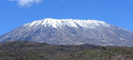 Kilimanjaro