|
|
|||
|
South Africa Resource Pack
Volunteers with Global Volunteer Network, work in environmental and wildlife conservation, through our partner organisation in South Africa. Volunteers are involved in every aspect of managing and maintaining a wildlife sanctuary. Out on the reserve, nothing stands between you and the wildlife. Many species of plains game will gaze quietly as you go about your work. Maintaining a reserve in optimum condition requires constant vigilance. In addition to ensuring a pristine habitat for the wildlife, you will be preserving a type of vegetation that is increasingly threatened by agriculture, forestry and urban development. The wildlife sanctuary is located on a rare veld (bush) type called bankenveld, recognised for its high biodiversity. Less than 1% of bankenveld is conserved under formal government programs, so this private conservation initiative is of critical importance. By joining our programme, you will be helping to preserve species and habitats in one of the most biologically diverse areas of the world. Easy FactsFor the South Africa Easy Fact Sheet, click here.Further ReadingPuppet's Help Raise Africa's Abandoned Hornbill Chicks, Leon Marshall, National Geographic News, August 22, 2005: Researchers hoping to increase the breeding rate of southern Africa's increasingly rare ground hornbill have taken to feeding abandoned chicks with puppets disguised as the birds' parents. http://news.nationalgeographic.com/news/2005/08/0822_050822_hornbills.htmlBush meat Trade Threatens African Wildlife, Pretoria News, June 18 2006: Elephant trunks and smoked gorilla limbs hang from Emile Ndong's stall, "ripening" in the tropical heat. "A good ceremony, a marriage or an initiation is worthless unless you serve game at the table," said Ndong, a hawker at the Oloumi market in Gabon's capital of Libreville. http://www.iol.co.za/index.php?click_id=68&art;_id=vn20060617090728812C429589&set;_id= South Africa Weighs Killing "Excess" Elephants in Parks, Leon Marshall,National Geographic News, November 5, 2004: South Africa's Kruger National Park elephant population has nearly doubled in recent years, causing heavy habitat destruction and invasion of adjacent farms. http://news.nationalgeographic.com/news/2004/11/1105_041105_elephants.html Country ProfileFor South Africa's country profile, click here. |
||

Honduras
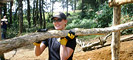
Living with a Honduran family, and volunteering at projects in rural locations, volunteers will assist a community in need. > Read More
|
|
© 2000-2008 Global Volunteer Network