 |

 |
|
|
|
||
|
Tanzania - FAQTell me more about TanzaniaWhat is the climate like in Tanzania? What kind of volunteer work is available? Do I need to be from New Zealand? What age do you have to be to volunteer? Is there any time of the year when I can't volunteer? When will I know specific details on the placement? Where will I be located? Tell me more about flying into Tanzania When do I need to arrive in Tanzania? How do I get to the project? Tell me more about the accommodation? Do you make provision for special diets? Are there holidays or festival I should be aware of when traveling? What immunizations/vaccinations will I need? What is the criterion for volunteers to be accepted into the program? Do I need to speak English to volunteer? Can I bring my own family with me to the program? Do I need travel insurance? Are there more expenses once I arrive? How safe is it to volunteer in Tanzania? How many volunteers are there on site at the same time? What is the course content of the training? What hours am I expected to take part in the program? Is there the opportunity to take classes such as language or more cultural activities while on the program? Are we able to do any sightseeing? What clothing is appropriate for the program? What resources will be available? Can you tell me more about your partner in Tanzania? Who organises my Visa for my volunteer placement? How do I pay my program fee? ------ Tell me more about Tanzania The land of the famous Swahili saying - Hakuna Matata,- no worries! Tanzania is a rare combination of diverse people and natural wonders. Home to Africa's tallest peak Mount Kilimanjaro, the 9,500 km of The Great Rift Valley which can be seen from space, and the spicy Arabian island of Zanzibar. Tanzania is the largest country in East Africa with a population of 38 million, which lies on the equator, bordering the Indian Ocean. The population is as diverse as it's landscape. With over 120 tribes, the well known Masai tribe, make up over half the population. The population is also made up of Bantu tribes from West Africa, Indian immigrants, and Islamic Arabs in Zanzibar. What is the climate like in Tanzania? Tanzania has a tropical type of climate as it sits on the equator, and the main variation in climate is found with change of altitude. The coastal areas are hot with an average daytime temperature of 30�C (86�F). Sea breezes make the climate very pleasant from June to September. The central plateau experiences hot days and cool nights. The hilly country between the coast and the northern highlands has a pleasant climate from January to September, with temperatures averaging around 20�C (68�F). Temperatures vary around Kilimanjaro according to the season registering a low 15�C (59�F) during May-August rising to 22�C (72�F) during December-March. On the whole, the hottest months are from October to February. The main, long rainy season is from mid-March to late May. What kind of volunteer work is available? Volunteers have the opportunities to work with street children, teaching and orphan work. Whereever possible, volunteer placements will be tailored to the needs of the volunteer. Do I need to be from New Zealand? No, volunteers come from all over the world. To volunteer in Tanzania you just need to be eligible for a visa to enter Tanzania. What age do you have to be to volunteer? Volunteers must be 18 years old unless accompanied by a parent or guardian. There is no age limit, but volunteers do have to be in good health. Is there any time of the year when I can't volunteer? Volunteers are able to participate in the Tanzania program all year round. When will I know specific details on the placement? The specific details of your placement are determined during training. You will consult with the program manager in Tanzania so that requests and specific needs can be met with regards to both the volunteer and the needs of the community. Where will I be located? Our program in Tanzania is located in the coastal town of Bagamoyo, which is 75 kilometers north of Dar es Salaam. Tell me more about flying into Tanzania Volunteers will fly into Dar es Salaam (Dar es Salaam International Airport) and will be met at the airport on arrival. When do I need to arrive in Tanzania? The Tanzania program has two volunteer intakes per month, on the 1st and 15th. Volunteers fly into Dar es Salaam and will need to arrive so they are ready to take part in a training program by these dates. It is suggested that volunteers arrive a few days earlier to settle themselves before training begins. Accommodation can be arranged for you if you arrive earlier than when the training begins. You will have to pay your own expenses for any time you stay in Tanzania outside of training and volunteer time. How do I get to the project? Volunteers are taken to the program location by a member of staff. Tell me more about the accommodation? While volunteering, volunteers will be accommodated in a dormitory situation. Do you make provision for special diets? It is possible for special arrangements to be made if you have a vegetarian diet or other special dietary requirements. Are their holidays or festival I should be aware of when traveling? There are many festivals in Tanzania however this will not hinder your volunteering as when they are on you will most likely be invited to celebrate with everyone. What immunizations/vaccines will I need? This is a suggestion of what may be needed - please consult with your medical professional or travel specialist for more details.
What is the criterion for volunteers to be accepted into the program? Each applicant is considered by the information they provide on the application. If further information is required applicants will be emailed to request this. Please refer to the program requirements listed on the program page which outlines the minimum expectations of what is required for volunteering in this specific program. We also look further at your application as to skills and experience specifically related to the program you have applied to. We look at volunteer experiences, travel experience and also your particular interest in the program to make our decision. Do I need to speak English to volunteer? Yes, you need to speak English to volunteer. You may have English as your first or second language. Tanzania's two main languages are English and Swahili. Unless you are hopelessly lost in the bush somewhere, you will probably be able to find someone who speaks English. It is also useful for volunteers to have a working knowledge of Swahili, especially outside the urban areas and in remote parts of the country. Can I bring my own family with me to the program? Volunteers are welcome to bring their family members with them on the program. Each application will be considered on a case by case basis. Partners will also need to apply if they wish to take part in the program. Do I need travel insurance? It is strongly recommended that you obtain travel insurance that covers not only theft of loss of property but medical aspects also. Are their more expenses once I arrive? The program fee covers your accommodation and meals and transport during the program. You will need to have additional money for bottled water, extra food, for days off, airport departure tax, any personal shopping you may do. How safe is it to volunteer in Tanzania? Tanzania is a peaceful country between turbulent neighbours. Safety is paramount to us and we endeavor to ensure the safety of volunteers. The people are very warm and friendly towards foreigners, so you will be well looked after. However basic common sense needs to be used - don't go out wondering the streets at night alone. How many volunteers are there on site at the same time? This depends on how many people volunteer at any one time. Usually there are around 10 volunteers. Generally you are placed with several other people unless you choose to be isolated. What is the course content of the training? The training program will be tailored to the volunteers' needs and length of stay in Tanzania. Training takes place over two days. Volunteers are given a general introduction to Swahili language and a cultural orientation. What hours am I expected to take part in the program? Volunteers will be required to work between 4 and 6 hours per day. Weekends and school holidays are free time. Is there the opportunity to take classes such as language or more cultural activities while on the program? Yes. You should discuss this with staff if you are interested in using spare time to participate in activities outside of the program. Are we able to do any sightseeing? Volunteers are welcome to take short breaks during their volunteer time. We recognize that volunteering can be quite intensive. There are often other volunteers that want to do sight seeing also. You may like to travel to meet up with other volunteers and join in local festivities and explore your local surroundings. Safaris are a popular activity for many volunteers. Our partner organization is able to help you organize safari packages at competitive and special rates. We ask that if you wish to take a break from volunteering that you give our partner organisation advanced notice. What clothing is appropriate for the program? Considering the temperature, we recommend light coloured, cotton clothing that covers your whole body. As well as Comfortable sturdy footwear as well as a pair of sandals/jandals for light walking is recommended. Don't forget sunglasses and a hat. What resources will be available? In most cases resources are limited. You may like to take donations of goods with you to distribute or use in the program. If you do choose to fundraise or donate items it is a good idea to check with our partner organisation as to what will be of use to your particular program. Can you tell me more about your partner in Tanzania? Our partner organization in Tanzania is a local NGO. Our partner endeavors to tailor make placements to match a volunteer's point of interest. These programs are for persons interested in experiencing new places and interacting with different cultures while learning the challenges faced by poor communities. They are specialized in assisting the community by connecting persons who are interested in voluntary work, with different deserving projects in Tanzania. Who organizes my visa for my volunteer placement? You will organize your Visa through your travel agent or independently. For citizens of most countries, you can do this at the airport when you arrive or before you get to Tanzania. Also our detailed program guide includes links to Tanzania Embassies through out the world. How do I pay my program fee? Your program fee is payable to Global Volunteer Network 8 weeks prior to the 1st of the month you wish to volunteer. Please note that all charges incurred by the payment of the program fee are at the volunteer�s expense, e.g. there is a 5% surcharge on credit card payments. Bank transfers also incur a bank fee at the point of origin that is at the expense of the volunteer. The program fee is non refundable. ------ Question not covered here? Please check the generic FAQ, and if still unanswered, please submit your question here. (We aim to answer all email within 48 hours). Click here to apply for the Tanzania program. |
|
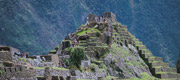
Feature Fundraiser: Machu PicchuIn August 2006 we will be hiking to Machu Picchu in Peru to raise funds for endangered rainforest in Ecuador, among the most threatened pristine forest eco-systems on the planet. Funds raised in the climb will go towards buying and protecting land in two of our Ecuadorian reserves.more >> |
Legal Terms of Service and Privacy Designed by: Creative Conscience Tracked by: Opentracker TEFL | Lives That Matter © 2000-2005 http://www.volunteer.org.nz |