 |

 |
|
|
|
||
|
Honduras - FAQTell me more about HondurasTell me more about the partner organisation? What age do you have to be to volunteer in this program? When will I know specific details on the placement? Can I take part in both the teaching and the building projects? What language do I need to know to participate in the program? When do I need to arrive in Honduras? What are the living arrangements when volunteering? Where will I be located? How do I get to the project? How many volunteers are there on the site at the same time? Are we able to do any sightseeing? What hours am I expected to take part in the program? What is the course content of the training/orientation session? How do I pay the program fee? What clothing is appropriate for the program? Are there any more expenses when I arrive? Do I need an entry visa (and how do I obtain this)? Is there any time of year when I can't volunteer? What is the climate like in Honduras? What immunizations/vaccines will I need? Can I bring my family/children to this program with me? Can groups participate in this program? What is the criterion for volunteers to be accepted into the program? Do I have to be from New Zealand to volunteer through the Global Volunteer Network? Can vegetarians be catered for in this program? Is there an opportunity to take classes such as language or more cultural activities while on the program? Who organizes my visa for my volunteer placement? ------ Tell me more about Honduras Honduras is Central Americas second largest Republic, which is spread across amazing mountains and islands. Around 7 million people live in this untapped country where 80% of the country lives in poverty. Tell me more about the partner organisation? We work with Save The Children Honduras, a member of Save The Children International, who carries out the Honduras program. What age do you have to be to volunteer in this program? To be a volunteer on the Honduras program with GVN you need to be 18 years old, unless accompanied by a parent or guardian. When will I know specific details on the placement? After you pay your application fee, you'll be put in touch with our partner and will be sent the infopack with more details about the program. Can I take part in both the teaching and the building projects? It is not possible to do both programs simultaneously as both projects run at the same time of day, but if you are interested in doing both it is possible to do one after the other (for example, one month of teaching, then two weeks of building). What language do I need to know to participate in the program? Volunteers need to be able to converse in English, and some Spanish would be beneficial. When do I need to arrive in Honduras? Arrivals in Honduras should be scheduled for either the first or third Monday of every month. What are the living arrangements when volunteering? For this project we provide home stays with families chosen by STC, who are experienced with hosting volunteers. All of the homestays are located in La Esperanza, a few miles away from the schools or the building project, which are located in the countryside. We have found that living in a medium size town where they can find bank services, restaurants, internet cafes and other services makes their life more enjoyable and also allows the opportunity to meet volunteers from other countries, with whom to travel and visit the rest of the country over weekends. Where will I be located? Volunteers will be located in La Esperanza, Intibuca, Honduras. Tegucigalpa and San Pedro Sula, the capital city and the second largest city in Honduras, are both three hours away on a bus. How do I get to the project? Volunteers arriving in Tegucigalpa airport will be greeted by our partner organisation, who will then escort you to a briefing meeting and to a home stay for one night, before you make your way to your chosen project the following day. La Esperanza is 3 and � hours away on a coach bus. From there you need to ride daily on local transportation to get to the building site, usually small trucks or pick up trucks where a small fee is required, around US$0.30 cents per ride. How many volunteers are there on the site at the same time? Up to twenty volunteers can be found in La Esperanza any given time. Are we able to do any sightseeing? You will have the chance to do some sightseeing during the weekend and extended weekends can be arranged when needed. What hours am I expected to take part in the program? Volunteers on the building project should expect to volunteer for between 4 to 6 hours per day, although this can be more if you are also participating in the school project. What is the course content of the training/orientation session? The orientation sessions has been specifically designed to give the new volunteers in-country a full briefing to what to expect whilst here, covering topics and issuing them with information from what is happening in their chosen project to what to do in an emergency. This is then followed by an individual session when the volunteer has the chance to ask any further questions he/she may well have concerning their placement on a one to one level with the partner organisation coordinator. How do I pay the program fee? The program fee is payable to GVN 8 weeks before the month that you arrive in Honduras. If you register after this time, it may be possible to pay directly upon arrival. What clothing is appropriate for the program? Dress needs to be conservative, and light loose clothing is advisable as it is most comfortable in the heat, and it is best to wear clothes that will cover and protect you from the sun and mosquitoes. Are there any more expenses when I arrive? You will need to cover the bus fare to La Esperanza however this is only a minimal cost of around US $5. You will need to pay for transport to the placement each day; usually small trucks or pick up trucks where a small fee is required, around US$0.30 cents per ride. Do I need an entry visa (and how do I obtain this)? No visas are required to enter the country for more than 84 countries around the globe, but you should contact your nearest Honduras embassy to find out the requirements for your country. Is there any time of year when I can't volunteer? School holidays are different every year, but as a rule of thumb they run from early December until early February. It is possible to help at private schools during this time, which have different holidays. Volunteers on the teaching program can be placed on other conservation or building projects during this time of the year. What is the climate like in Honduras? Honduras has a mixed climate - subtropical in the lowlands and temperate in the mountains. The rainy season goes from May until November and the dry season goes from December until May. Rain usually comes in showers from a few minutes to a few hours, but even during the peak of the rainy season the sun comes out and days are clear and the weather enjoyable. What immunizations/vaccines will I need? There are no required vaccines for Honduras, but we advise volunteers to get immunized against Typhoid, cholera, Hepatitis A & B, booster doses for tetanus, polio and measles. Volunteers also need to take anti Malarias and protect themselves from mosquito bites - as Malaria and Dengue fever is present. Can I bring my family/children to this program with me? Yes, you can bring family/children with you as long as you notify our partner in advance, so that they can provide the right accommodation and facilities for you. Can groups participate in this program? Yes, we are able to accommodate groups for this program - please contact us for details. What is the criterion for volunteers to be accepted into the program? Each applicant is considered by the information they provide on the application. If further information is required applicants will be emailed to request this. Please refer to the program requirements listed on the program page which outlines the minimum expectations of what is required for volunteering in this specific program. We also look further at your application as to skills and experience specifically related to the program you have applied to. We look at volunteer experiences, travel experience and also your particular interest in the program to make our decision. Do I have to be from New Zealand to volunteer through the Global Volunteer Network? No, volunteers come from all around the world. Can vegetarians be catered for in this program? Indeed, vegetarians are welcomed and catered for as long as you indicate this on your application form. Is there an opportunity to take classes such as language or more cultural activities while on the program? A crash Spanish course can be arranged for volunteers who want to learn the basics before going to the project at an additional cost. One to one classes can also be provided for those more interested in developing their Spanish skills. Who organizes my visa for my volunteer placement? You do, if you need one. Our program guide has links to Honduran Embassies throughout the world. ------ Question not covered here? Please check the generic FAQ, and if still unanswered, please submit your question here. (We aim to answer all email within 48 hours). Click here to apply for the Honduras program. |
|
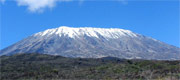
Feature Fundraiser: Mt KilimanjaroIn January 2006 we're climbing Mt. Kilimanjaro as our major fundraiser for the Ugandan Education Fund. Participants will have the opportunity to hike to the top of one of the most beautiful and prestigious mountains in the world, and funds raised will go towards building a school for AIDS orphans in Uganda. more >> |
Legal Terms of Service Designed by: Creative Conscience Tracked by: Opentracker © 2000-2005 http://www.volunteer.org.nz |