 |

 |
|
|
|
||
|
Why is this support needed in a developed country like New Zealand?In fact, there is poverty amidst the prosperity. New Zealand does not have poverty comparable to the Third World, but as governments from around the world have agreed: "[Poverty] occurs in all countries: as mass poverty in many developing countries, pockets of poverty amid wealth in developed countries, loss of livelihood as a result of economic recession, sudden poverty as a result of conflict or disaster, the poverty of low-wage workers, and the utter destitution of people who fall outside family support systems, social institutions and safety nets."(United Nations, 1995) Poverty exists in New Zealand for people who, in comparison to the rest of our society, do not have enough money to meet their basic needs for adequate food, decent housing and necessary clothing. Poverty also exists for people who do not have enough money to participate equally in the community. This means that they cannot afford to do things that many other people do regularly, such as visit friends and family, participate in sports teams, go on school trips, or take family holidays. The New Zealand Council of Christian Social Sciences says, "New Zealand currently has an entrenched level of poverty that is seriously undermining our efforts to develop a knowledge-based economy and increase economic growth. A large proportion of the future workforce are children living in poverty whose education is being damaged by their life-circumstances." Who is in poverty in NZ?
|
|
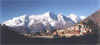 Climb Everest In October 2006 you have the opportunity to raise money for the Nepali Children's Fund. We're climbing the Base Camp of Mount Everest and you have the opportunity to join us.