|
|
||
|
Kodiak The Kodiak Island Archipelago is a large group of islands about 30 miles off the coast of Alaska. The archipelago is about 177 miles long and encompasses nearly 5,000 square miles. Considered "Alaska's Emerald Isle" because of its lush green terrain, Kodiak is a unique Alaskan experience. Here volunteers will work with the Alutiiq Museum on various projects ranging from trial maintenance and cleanup to an archaeological dig.
This project consists of two parts: Part One: Working with the Alutiiq Museum on their Community Archaeology Program: Kodiak�s late prehistoric era is well known. Teams of researchers have excavated numerous sites from the past 2,500 years providing a detailed account of Alutiiq lifeways. Village sites hold houses revealing the organization of communities, well preserved artifacts reflecting people's daily activities, animal remains documenting subsistence practices, and artwork illustrating spiritual beliefs. But 2,500 years represents just a third of Kodiak's culture history; the last chapters of a story that began at least 5000 years earlier. This distant Alutiiq past is less well known. Coastal erosion, organic decay, and smaller, more mobile societies who left less behind, have made older sites harder to locate and interpret. Yet many significant events in Alutiiq history, that helped to shape Native society today, are associated with this time period - the colonization of Kodiak, the formation of villages, and the origins of salmon fishing. Archaeologists and volunteers will work to decode Alutiiq stories from the distant past at Zaimka Mound, a prehistoric settlement beneath a grassy meadow at Cliff Point. This project builds on information gained in previous summers of study. The area holds some of the most ancient stone tools, tent remains, and hearths recorded in the archipelago. And these are covered by an extensive series of later occupations dating from about 6,300 to 4,000 years ago. By carefully recording each layer, we hope to learn more about Kodiak's founding societies. Part Two: The second part of this project will be the most meticulous. Volunteers will be helping to process the data that was collected during the dig and working with it in the museum�s laboratory. This will entail: washing artifacts, sorting the artifacts for dating, cataloging, and other essential lab work. .: Project DurationYou have the option to volunteer in both parts of this project or to choose one part only, depending on availability.Number of Volunteer Positions: 2 per month .: AccommodationVolunteers will be staying in tents (which will be provided) at Ft. Abercrombie State Historical Park campground. The park contains the remains of an artillery fort which commemorates the history of World War II in Alaska. There is a campground, a picnic area, a freshwater lake, and spectacular ocean views. Trails wind through open meadows and under massive Sitka spruce stands. The ranger station provides visitor information.There will be primitive toilet and shower facilities and stoves for cooking. Volunteers should be prepared for any kind of weather and come well-equipped with tough work books, warm clothes, and durable rain gear. .: Volunteer Requirements
.: Project Cost$1500.00 USD/month + $275.00 USD for the flight ($3275.00 USD for duration of project plus flight)Cost includes a roundtrip flight from Anchorage to Kodiak Island and a night�s stay in Anchorage before and after the trip. |
|

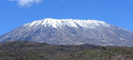
Kilimanjaro
Between January 13-23 2008, GVN is offering a hike to raise funds for the Shelter Childrens Home in Massailand, Kenya. > Read More