 |

 |
|
|
|
|||||

|
Alaska Resource Pack.: The Last Frontier
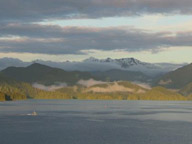
Alaska is home to more than half of the world's glaciers, the tallest mountain in North America, Mt. McKinley, is one-third the size of the entire United States of America, is the only state to have borders on three different seas, is home to an abundance of wildlife such a grizzly bears, moose, caribou, wolves, mountain goats, bald eagles, whales, and so much more. Alaska is rugged and steeped in the history and tradition of more than 10 distinct Native Alaskan Cultures; it is one of the only places left where many individuals still choose a subsistence lifestyle. Alaska is still one of the most pristine areas in the entire world, yet environmental problems frequently make the headlines. Air, water, soil and sound pollution affect areas throughout the state, even hundreds of miles away from civilization. Contaminated areas in Anchorage can affect areas in the Interior. For instance, traditional spawning areas for salmon can become highly contaminated with waste from nearby factories, sewage treatment plants, or pesticides from farms. The salmon come in to spawn as usual, but the salmon are killed due to the new contaminants. The eggs laid by the female salmon may get fertilized, but the salmon never reach a healthy enough state to make their return journey to the ocean. Native fishermen who rely on these salmon as a source of food must look else where. Thus, a whole village could be in jeopardy. Alaska is the perfect place to spend time volunteering because just being in Alaska brings one a sense of truly being a part of nature and all of her raw energy and thrills. Because of Alaska's geographical location as the 'last frontier', this remote corner of the world is often overlooked. The program in Alaska brings volunteers to an otherwise much forgotten corner. Volunteers participate in environmental field work of varying degrees, including trail maintenance and organic farming, research, conservation education, community outreach, park maintenance, plant conservation, and environmental activism. This organization is a private, non-profit organisation registered in the United States. .: Easy FactsFor the Alaska Easy Facts sheet, click here..: ArticlesTaking Time Out To Preserve Alaska's Wilderness..: Further ReadingTwo Photo Books Highlight Rivers, Salmon in Peril, Lara Suziedelis Bogle, National Geographic News, October 7, 2002: In the more than two centuries since Europeans began to settle along the Pacific and Atlantic coasts, salmon populations in the United States have disappeared from many rivers and are on the brink of extinction in others.http://news.nationalgeographic.com/news/2002/10/1004_021007_salmonrivers.html Alaska Oil Spill Fuels Concerns Over Arctic Wildlife, Future Drilling, John Roach, National Geographic News, March 20, 2006: A recent spill of about 267,000 gallons (1 million liters) of oil in the tundra of Alaska's North Slope is raising a new round of questions from environmental groups about proposed plans to open more land in the region to oil drilling. http://news.nationalgeographic.com/news/2006/03/0320_060320_alaska_oil.html Native American Tribes Vow To Cleanup Yukon River, Stefan Lovgren, National Geographic News, August 3, 2004: Growing up in Galena, Alaska, First Chief Peter Captain, Sr., drank water straight from the Yukon River. "But that was a long time ago," said the 57-year-old chief of the Louden Tribal Council. "You can't do that now without getting sick." http://news.nationalgeographic.com/news/2004/08/0802_040802_yukon.html .: Country ProfileFor Alaska's country profile, click here. |
||||

 Machu Picchu