 |

 |
|
|
|
||
|
Frequently Asked Questions+ How fit do I need to be for this hike?
The trail is 45km (26 miles) long and is a rigorous hike. On the second day you climb a steep nine miles. Combined with high altitude (lack of oxygen) and extreme weather (you can easily burn in the high altitude sun during the day and temperatures can drop to below freezing at night) this part of the trek is very difficult. However we have built in a day and a half to acclimate in Cuzco which will help you acclimate before the trek, making altitude sickness less of a factor.
+ What is the climate like in August?The failure of the body to adapt quickly enough to the reduced level of oxygen in the air as one reaches higher altitude is the reason a person experiences altitude sickness. Altitude sickness seems to affect people indiscriminately, regardless of age or fitness level, yet becoming physically fit before your hike will increase your chances of having an overall enjoyable trip. One should be able to walk for several hours without too much of a problem. Aerobic activity, such as cycling or running, is a fantastic way to get and stay in shape. Hiking before this hike is probably the best means of preparing yourself for this adventure. Not only does hiking prepare you for the particular difficulties one faces on a hike but it will also further assist you in your efforts to become physically fit. After you have been accepted to our Machu Picchu Climb Team you will receive a link to the packet which describes altitude sickness and physical fitness preparations.
Although the weather is sunny during August the temperature at night can drop considerably, falling to below freezing.
+ How can I fundraise?August: Maximum temperature: 20 Degrees Celsius/68 Degrees Fahrenheit Minimum temperature: 2 Degrees Celsius/35.6 Degrees Fahrenheit Rainy Days: 2 When you pay your application fee and secure your spot on our Mach Picchu Climb Team we will provide you with a detailed clothing/equipment list for the trek.
There are many ways of achieving and surpassing your financial goals. Once we have received your application and application fee we will send you a fundraising information pack that will help you to fundraise for your adventure in Peru and Ecuador.
+ Why go with Global Volunteer Network? Why not a Commercial Trip?Ideas and examples of how to raise money for your adventure include: Friends and family, your work-place, clubs, raffles, quizzes, fun-runs, and parties.
Commercialized trips do not offer the unique opportunities our trip provides.
+ What and where is Machu Picchu?Firstly, our partner travel organization, World Odyssey, has organized other fundraising hikes (see www.savetherhino.com) and is well respected within the traveling industry. Participating in our hike relieves you of the anxiety of searching for a reliable and established travel organization. Secondly, this trip gives you the chance to meet other people who feel passionate about helping the global community. The participants of this trip will automatically have a unique bond because everyone involved will be working together to achieve three goals, summit Machu Picchu, and raise funds for the girls of the Anta Cuzco orphanage and the Stop Child Poverty Campaign. Thirdly, you will be able to witness, firsthand, where your money will go. Not only will you be able to see one of the most beautiful parts of Peru as you climb Machu Picchu, but you will also have the opportunity to visit the orphanage where the girls are living. Finally, and most importantly, your adventure will allow our partner organization in Peru to improve the lives of the children in their charge. While participating in 'the opportunity of a lifetime' you are also ensuring that orphans in Peru will live a better life.
High above the gorge in a remarkably inaccessible location lie the ruins of one of the most stunning and important archaeological discoveries of modern times. For centuries Machu Picchu, Peru, had lain hidden, buried beneath the undergrowth, thus escaping the looting and pillage that all other major Inca sites suffered. It was in July 1911 that Hiram Bingham stumbled across this ancient citadel straddling a mountain pass and with steep terraced slopes falling away to the Urubamba River far below.
With the help of a Yale University archaeological team, Bingham thought he had discovered the lost city of Vilcabamba, but this has since been disproved. Built by Inca Pachacuti, the founding father of the Incan empire, the real purpose for its existence is still not totally clear�a fortress, a place of worship? A further mystery is why it was deliberately abandoned and when�possibly as a result of the Spanish invasions, the Inca Civil wars, drought or disease? What is clear is that this was an important discovery as many of the buildings were in good condition and today you can still see the ceremonial baths, Temple of the Sun, fountains, Royal palace, funerary rock, Temple of the Windows and a wide variety of other impressive structures and buildings. The torreon was an observatory for the solstice sunrise and the Intihuatana is the centre point between cardinal alignments of nearby sacred peaks. The Incas worshipped anything to do with nature and its spiritual power and this high altitude location allowed them to indulge these beliefs. |
|
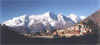 Climb Everest In October 2006 you have the opportunity to raise money for the Nepali Children's Fund. We're climbing the Base Camp of Mount Everest and you have the opportunity to join us.